Thinking about trading subway steps for a front porch and a backyard? If Montvale in Bergen County is on your shortlist, you’re not alone. Many NYC professionals look here for a quieter pace, more space, and a reasonable commute. In this guide, you’ll learn how the local market works, what a realistic budget looks like, how commuting options stack up, and how the NJ buying process differs from co-ops and condos. Let’s dive in.
Why Montvale appeals to NYC buyers
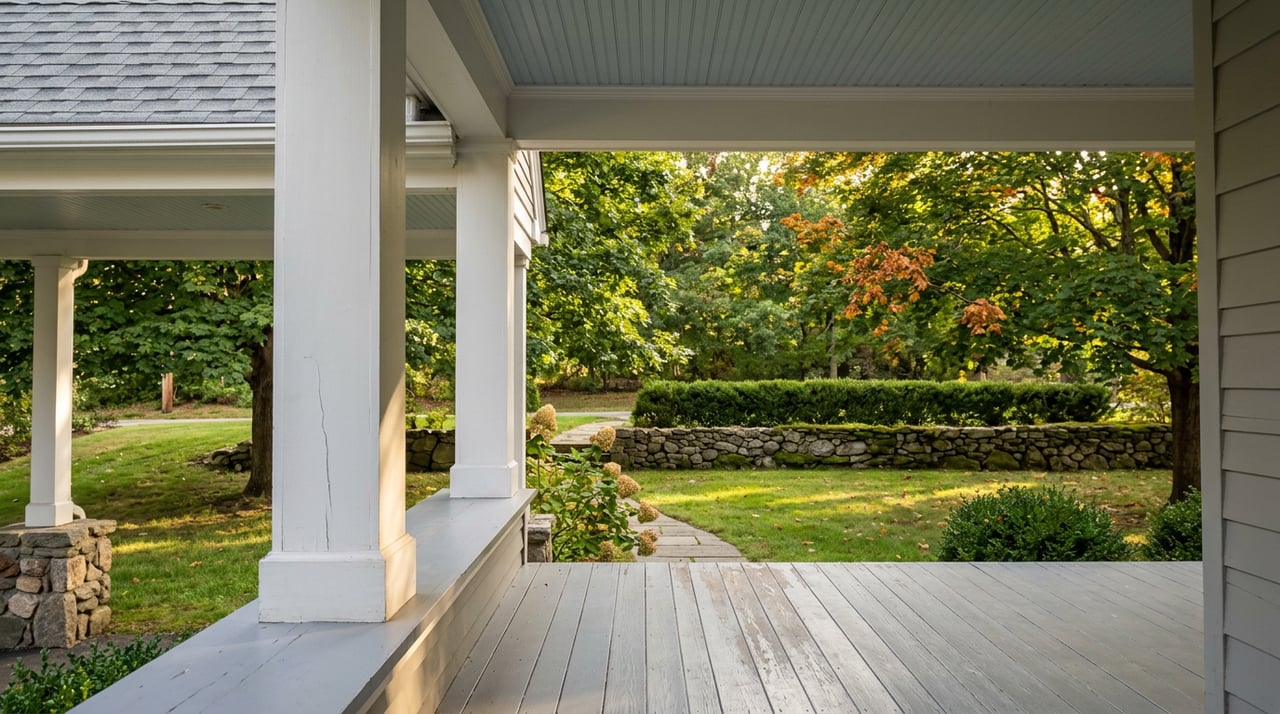
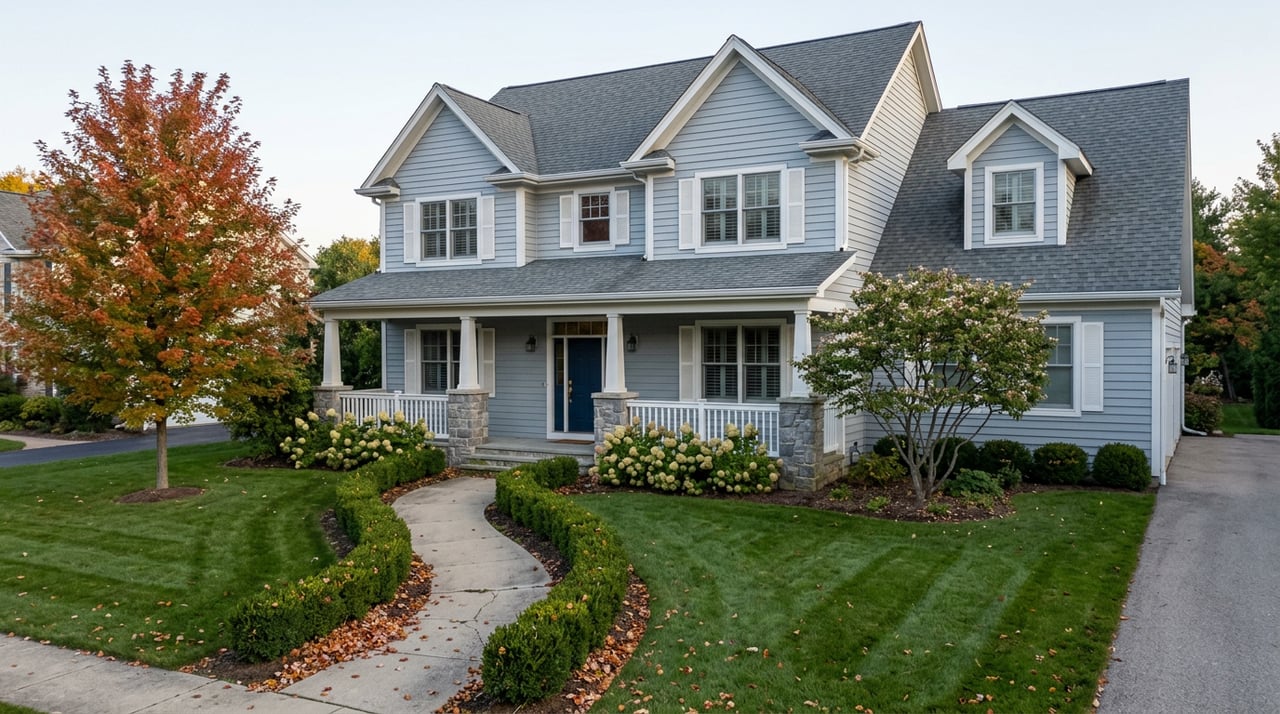
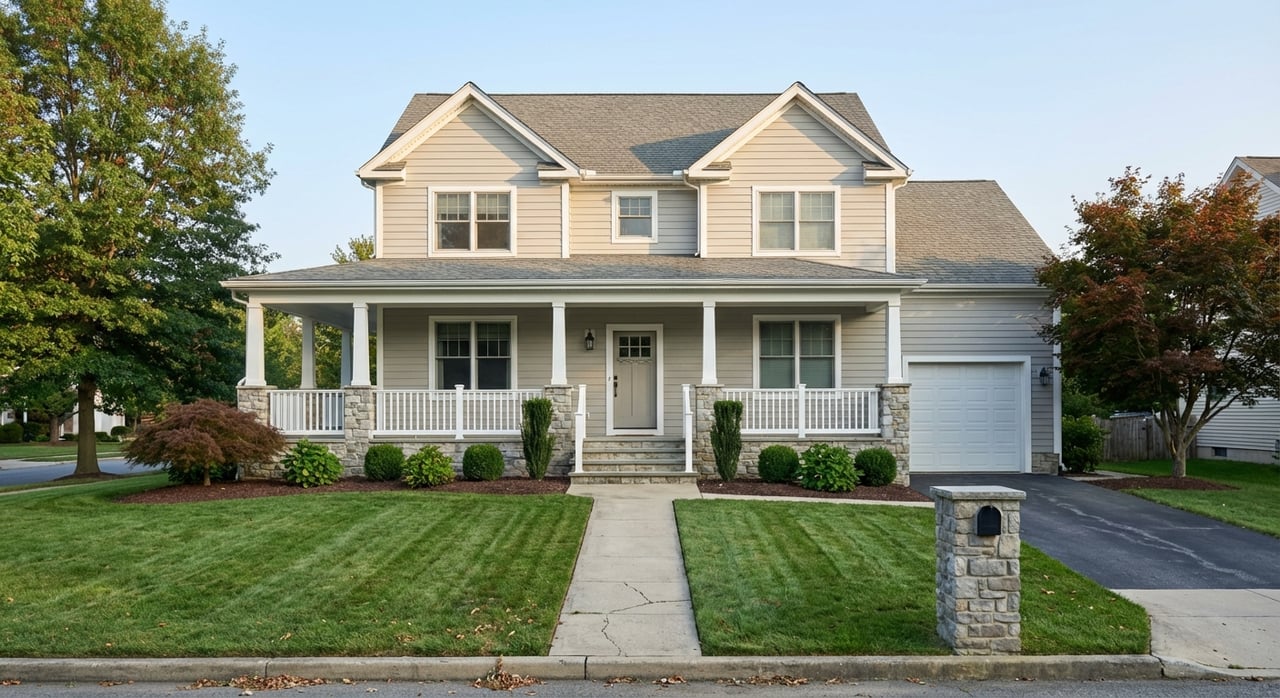
Montvale is a small, high-income borough in Northern Bergen County with about 9,600 residents according to the latest estimate from U.S. Census QuickFacts. It delivers a classic suburban feel with tree-lined streets and a strong single-family home base. Most properties include a yard, driveway, and garage, which is a noticeable lifestyle shift if you’ve been in a Manhattan apartment.
Household incomes in Montvale trend high, and most homes are owner-occupied. That often correlates with strong upkeep and neighborhood stability. The tradeoff for space and quiet is a higher ongoing cost structure, which you should plan for up front.
Home types and price tiers
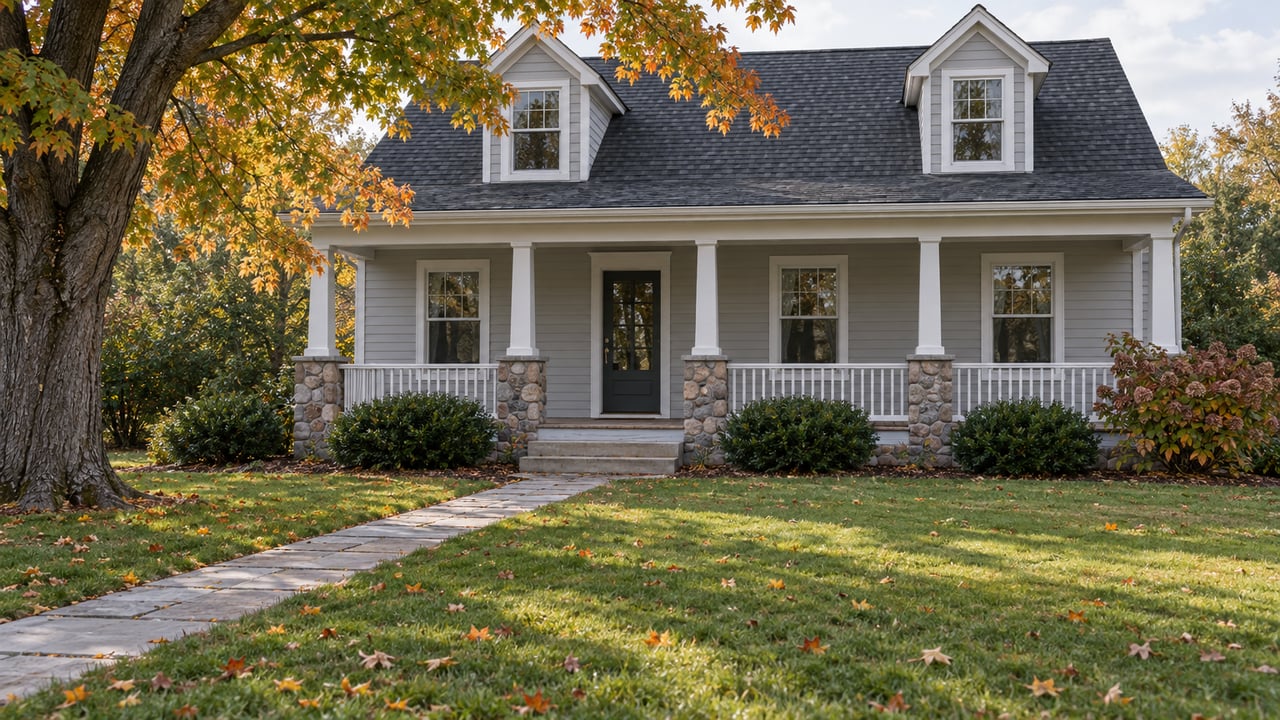
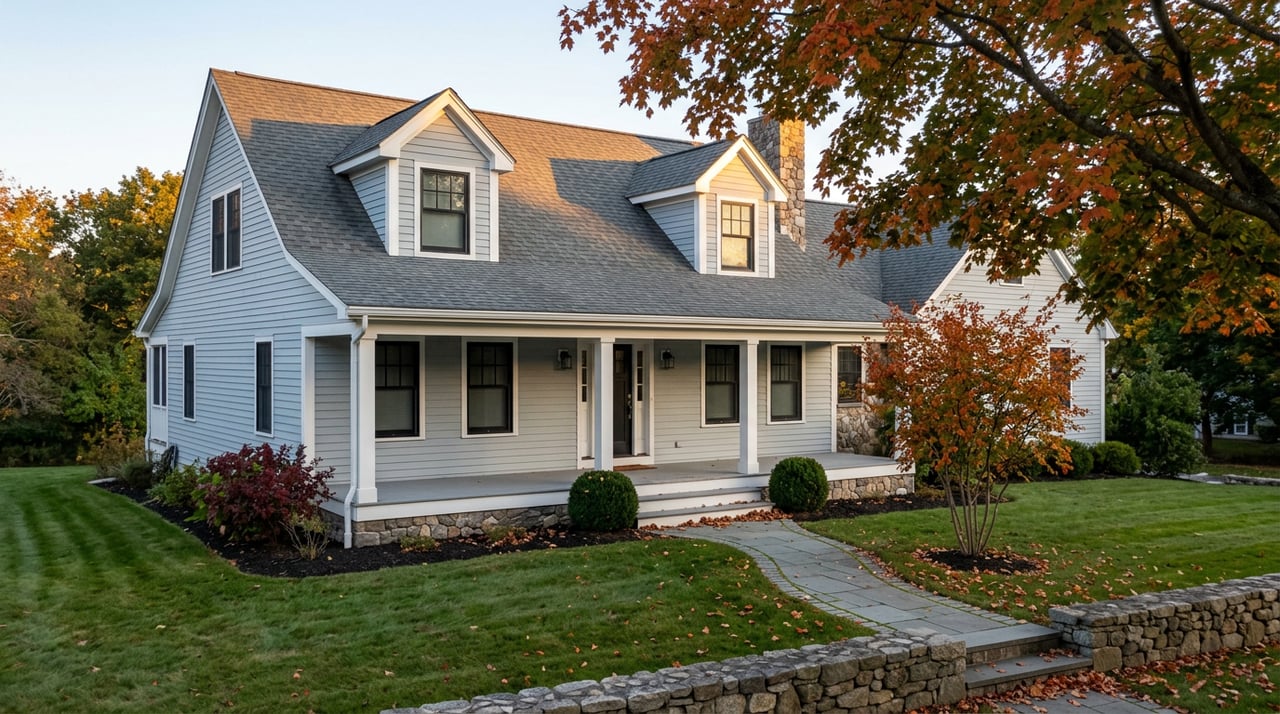
You’ll find mostly single-family homes: mid-century colonials, split-levels, and ranches, with pockets of newer construction and renovated colonials. Standard suburban lots vary, but many fall in the 0.15 to 0.5 acre range, with larger parcels at the upper end. Always confirm lot size and recent permits in the MLS and municipal records.
Pricing depends on what measure you use. Recent closed sales in early 2026 show a Montvale median sale price around $686,000 (Redfin), while Zillow’s typical value index (ZHVI) for the area runs closer to $898,343. Median list prices have pushed higher at times, with some mid-2025 snapshots around $1.069M. These are different measures: recent closed sales, modeled home values, and current asking prices. Use them as context, then focus on comps for the specific home you like.
A simple way to think about tiers:
- Value or starter single-family: lower hundreds up to the mid $600Ks.
- Mid-market: upper $600Ks to high $800Ks.
- Higher end: $900K to $1.5M+ for renovated homes, newer builds, or larger lots.
Market pace and offer strategy
Montvale has been described as somewhat competitive in early 2026, with certain well-priced homes drawing strong interest and occasional sales over asking in the right bands. Typical days on market have run longer than peak-pandemic frenzies, which can give you time for due diligence. Still, popular listings can attract multiple offers, especially if they are updated, well-located, and priced near key thresholds.
To compete, bring a strong pre-approval, understand recent neighborhood comps, and set clear limits. Shorter contingency periods can help, but avoid waiving essential protections without discussing the risks with your attorney and lender.
Commute options to NYC
Montvale has a station on NJ TRANSIT’s Pascack Valley Line. Trains run south to Hoboken with connections at Secaucus to Midtown. Borough-operated lots are permit-based; NJ TRANSIT’s station page outlines parking and service details, so confirm current options and fees on the Montvale station page.
Some commuters also use regional coach buses from nearby park-and-ride locations to the Port Authority Bus Terminal in Midtown. Montvale’s location offers access to both rail and coach options, which broadens your choices if your office is in Midtown, the West Side, Hoboken, or Jersey City. For a general community snapshot that includes transit context, see the Montvale overview.
Expect door-to-door times to vary by schedule and transfers. The American Community Survey reports a mean travel time to work of about 32 minutes for Montvale residents, which blends drivers and transit riders. Use this as a directional marker, then test your exact route during peak hours. You can also review NJ TRANSIT’s current pass structure and budget for station parking or ride-share for first and last mile. For commute-time data, see the Census Reporter profile for Montvale.
Schools and daily life
Montvale Public Schools serve PreK through eighth grade at Memorial Elementary and Fieldstone Middle. High schoolers attend Pascack Hills High School in the Pascack Valley Regional district. Enrollment details and registration steps are available on the Montvale Public Schools site. Use district resources to confirm current assignment, procedures, and timelines.
Day to day, you get a compact downtown, local parks, and quick access to Route 17 retail in Paramus. It’s a practical base if you value yard space and neighborhood amenities while still wanting a manageable NYC connection. For a factual snapshot of parks, services, and civic details, the Montvale overview is a helpful starting point.
Taxes and closing costs in New Jersey
Property taxes in Bergen County are higher than the U.S. average. Montvale’s effective property-tax rate often falls around 2.2 to 2.4 percent of market value, and annual bills commonly land in the mid five figures for typical Montvale price points. Your exact bill depends on assessed value, exemptions, and township levies, so verify for any specific address. For a regional overview, see this Bergen County property-tax summary.
New Jersey also imposes a state Realty Transfer Fee at closing. The fee is calculated on the sale price and can be meaningful on higher-value transactions. Review the schedule and rules on the NJ Division of Taxation’s Realty Transfer Fee page, and confirm by contract who pays which items.
As of August 1, 2024, New Jersey requires sellers of most residential properties to provide a standardized Seller’s Property Condition Disclosure Statement. This is set by the Real Estate Consumer Protection Enhancement Act, which you can review on the New Jersey Legislature’s site. You should still perform full inspections, but the disclosure gives you earlier visibility into known conditions.
In a typical NJ single-family closing, budget for title insurance, recording fees, lender charges, homeowner’s insurance, property-tax escrows, and attorney fees, in addition to the transfer fee mechanics. The NJ Division of Taxation’s RTF resource is the best reference for official tax and fee details.
How NJ buying differs from NYC co-ops
Ownership and approvals
In a NYC co-op, you buy shares in a corporation, submit a board package, and often interview with the board. Boards can approve or decline buyers independent of financing. For a clear explanation of the co-op process, see this NYC co-op buyer guide.
In Montvale single-family purchases, you buy real property with a deed. There is no co-op board approval. Instead, you go through contract, attorney review, inspections, appraisal, and title work, and you receive the seller’s disclosure described above.
Timing and attorney review
Standard NJ contracts include an attorney-review clause, commonly three business days. During that window, either party’s attorney can disapprove or propose changes. After attorney review, your inspection timeline, mortgage commitment date, and closing target kick in. A practical explainer of this step is available here: NJ attorney review overview.
Inspections and contingencies
You will usually include inspection and mortgage contingencies. Suburban inspections are more comprehensive than buyers often experience in apartments. Expect evaluation of roof, structure, mechanicals, electrical, plumbing, and site conditions, plus specialized checks as needed. Budget for repair negotiations or credits after you review the findings with your agent and attorney.
Closing costs and financing
Unlike many co-op transactions, NJ single-family deals include title insurance and recording-related fees. Lenders focus on the property appraisal and your overall credit profile. A strong offer typically includes a full pre-approval letter and a meaningful initial deposit, with contingency timelines written into the contract.
Your search and offer game plan
- Get fully pre-approved, not just pre-qualified. Ask your lender to estimate your monthly PITI with Montvale-level taxes so you see the full picture.
- Test the commute during your actual work hours. Ride the Pascack Valley Line, try a coach bus from a nearby park-and-ride, and drive your intended route during rush periods. Check station details on the Montvale station page.
- Tour homes at least twice, at different times of day. Pay attention to street traffic, lighting, and ambient noise. Ask for the Seller’s Property Condition Disclosure early and review known updates and permits.
- Calibrate the offer to the micro-market. Look closely at recent neighborhood comps and how they compare in condition, lot size, and updates. If a home is positioned at a competitive price, be ready to move quickly and keep your contingencies tight but protective.
A typical contract path looks like this:
- Offer and initial deposit, then fully executed contract delivered to attorneys.
- Attorney review, usually 3 business days, to approve or amend the contract.
- Inspections within about 7 to 14 days after attorney review concludes, followed by any repair or credit negotiation.
- Appraisal and mortgage commitment, often targeted within 30 to 45 days.
- Closing, typically 30 to 60 days after attorney review, depending on lender, title work, and municipal requirements.
Budgeting and timeline expectations
Build a full purchase budget that includes down payment, lender fees, title insurance, attorney fees, recording charges, homeowner’s insurance, and initial property-tax escrows. Add moving costs and any permit fees or local certificates. For transfer-tax specifics and exemptions, refer to the NJ Realty Transfer Fee guidance.
Most financed resales close within one to two months after attorney review concludes, assuming a responsive lender and no major title or repair surprises. Cash deals and highly organized transactions can close faster.
A quick pre-move checklist
- Confirm price tolerance by tier and neighborhood after reviewing recent comps.
- Ride your exact commute on a weekday during typical hours.
- Pull property-tax estimates and assessed values for any specific address.
- Review the Seller’s Property Condition Disclosure and request available utility and maintenance histories.
- Verify renovation permits and municipal certificate requirements for the property.
- Line up your team: experienced Bergen County buyer’s agent, NJ real estate attorney, local lender, and licensed home inspector.
Ready to compare specific listings and map out a clear offer strategy? Schedule a Market Consultation with Ana Moniz to get hyper-local guidance and a plan tailored to your timeline and budget.
FAQs
What price range should I expect in Montvale?
- Recent closed-sale medians have been around $686K in early 2026, while modeled typical values near $898K and some list-price medians over $1M appear at times; use these as context, then focus on comps for the specific home.
How long is the commute from Montvale to Midtown?
- Door-to-door varies by train schedule, transfers, and traffic; the local mean travel time to work is about 32 minutes across all commuters, so test your exact route during peak hours.
What are typical Montvale property taxes?
- Effective tax rates often fall near 2.2 to 2.4 percent of market value, with many annual bills in the mid five figures; verify the assessed value and current tax rate for any address.
How does New Jersey’s attorney review work for buyers?
- Standard contracts include a three-business-day attorney-review window; after approval, your inspection, mortgage, and closing deadlines begin.
Which public schools serve Montvale homes?
- Montvale Public Schools cover PreK–8 at Memorial Elementary and Fieldstone Middle, and high schoolers attend Pascack Hills High School; confirm registration steps with the district.