If you love the idea of a home with real character, Ridgewood deserves a close look. This village blends historic architecture, established residential streets, and everyday convenience in a way that still feels practical for modern buyers and sellers. Whether you are drawn to original details, thinking about future updates, or preparing to market a classic property, understanding how Ridgewood’s older homes fit today’s lifestyle can help you make smarter decisions. Let’s dive in.
Why Ridgewood Stands Out
Ridgewood is not defined by one single historic pocket. The Village’s planning materials identify multiple historic districts, including Brookside Avenue, Circle Avenue, Cottage Place, Heights, Mountain Avenue, North Pleasant Avenue, North Van Dien Avenue, Prospect Street–Woodside Avenue, South Van Dien Avenue, Spring Avenue, and Village Center.
That broad distribution matters if you are home shopping or selling. It means Ridgewood’s historic identity is woven through the village rather than limited to one showcase block. You can see older architectural patterns across many residential areas, with most neighborhoods largely built out by 1970 and later housing tending toward mid-century forms on remaining open land.
Ridgewood’s Historic Home Styles
One of Ridgewood’s biggest strengths is variety. Instead of one repeating look, you will find a wide range of historic styles that give different streets their own rhythm and appeal.
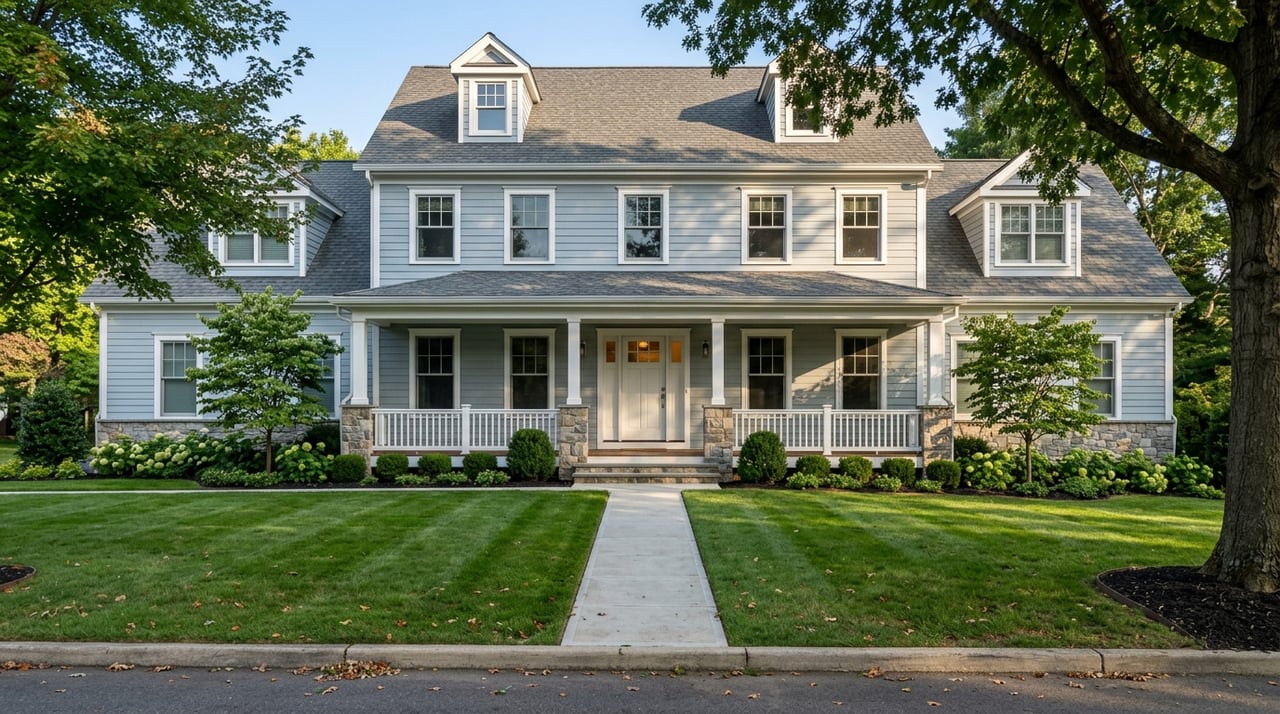
Local design materials describe Colonial Revival homes as symmetrical and often built with brick or clapboard, with hipped or gable roofs, dormers, and classical entry details. Tudor Revival homes tend to be more asymmetrical, with steep gables, stucco and half-timbering, and details like pointed arches or tower elements.
Beyond those familiar styles, Ridgewood also includes Queen Anne, Second Empire, Gothic Revival, Swiss Chalet, Shingle Style, Dutch Colonial, Arts and Crafts, and Mediterranean Revival examples. In practical terms, that means buyers can find homes with very different personalities, from formal and balanced facades to more expressive, textured designs.
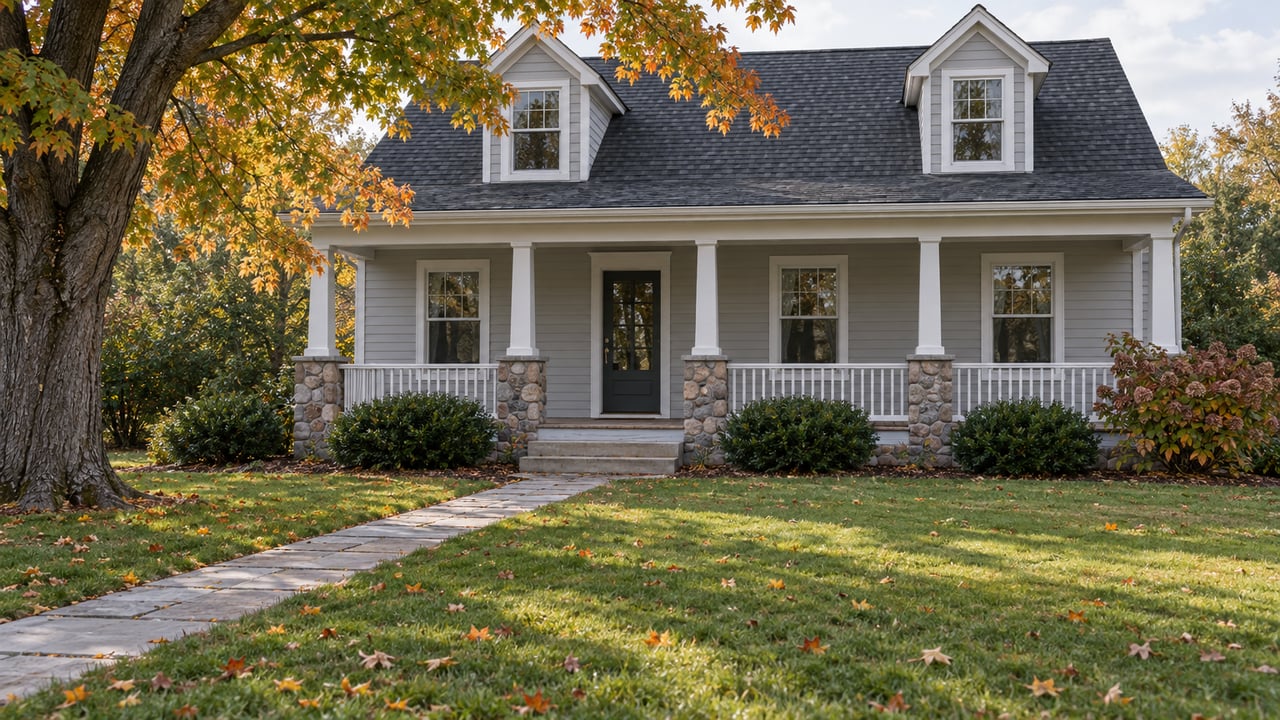
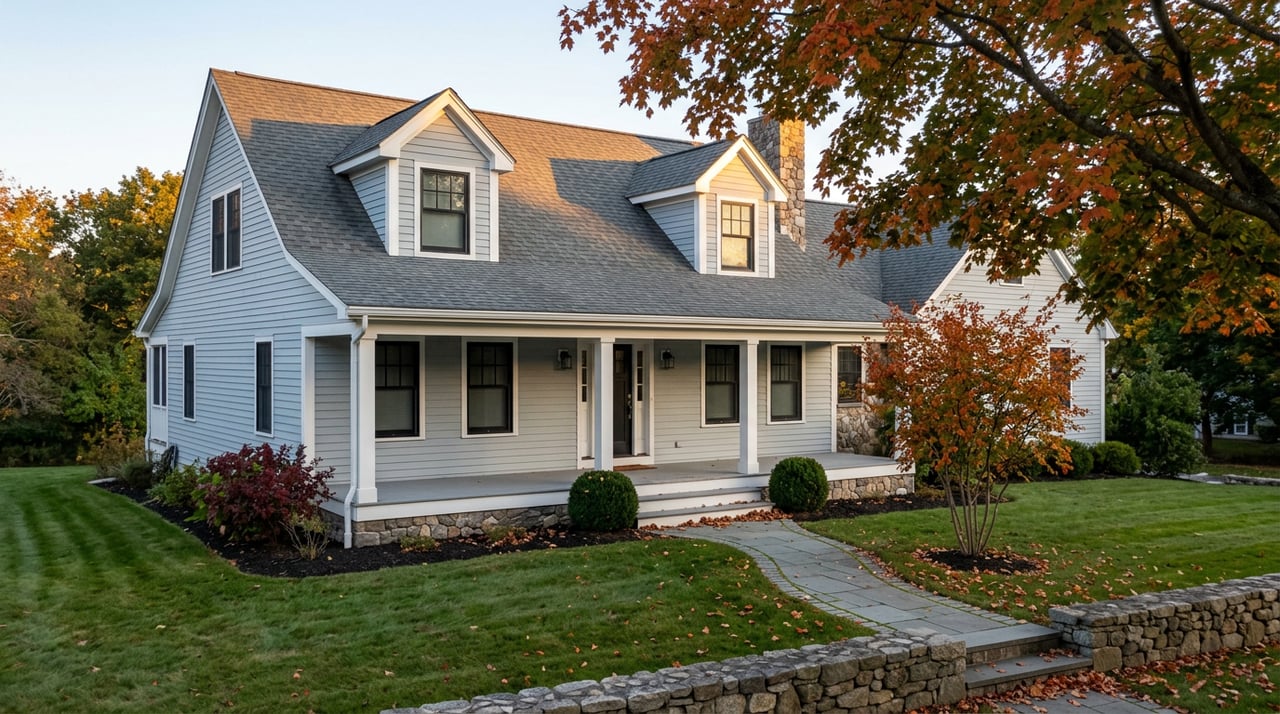
Another important point is scale. Many historic houses in Ridgewood are not oversized estates. District descriptions often refer to two- to 2.5-story homes with three- or four-bay facades, porches, dormers, and materials such as stone, clapboard, shingles, stucco, or newer siding that still reflects the older streetscape.
Where Historic Homes Cluster
Some parts of Ridgewood are especially known for their concentration of historic properties. If you are comparing neighborhoods, it helps to understand where the strongest historic presence shows up.
Prospect Street–Woodside Avenue
The Prospect Street–Woodside Avenue Historic District includes more than 100 contributing historic properties across 10 streets in south-central Ridgewood. Most were detached single-family homes built between 1880 and 1930.
The district contains a broad mix of styles, which gives the area visual variety rather than a uniform look. It also includes the Vanderbeck House, a stone house dating to about 1790 and noted as one of the few remaining stone houses in Bergen County.
The Heights
The Heights Historic District is even larger, with more than 220 contributing historic properties on over 20 streets in northwest Ridgewood. The area was largely developed between 1890 and 1930.
Tudor Revival is the dominant style there, but it is far from the only one. The district also includes Queen Anne, Colonial Revival, Arts and Crafts, Swiss Chalet, Dutch Colonial, Spanish Eclectic, Mediterranean Revival, French Renaissance, and Gothic Revival homes.
Village Center
Downtown Ridgewood offers a different kind of historic setting. The Village Center Historic District is defined by commercial, civic, and cultural buildings dating from 1890 to 1950, along with a pedestrian-oriented street pattern.
Planning materials identify Ridgewood Avenue as the main axis, with the railroad crossing at Station Plaza acting as a key connection point. Open spaces such as Van Neste Park and Square, Wilsey Square, and Garber Square help shape the historic downtown pattern.
How Historic Homes Work for Modern Living
A common question from buyers is simple: can a historic home really fit the way you live today? In many cases, yes, especially when you understand which features tend to stay and which spaces are more adaptable.
Preservation guidance notes that older homes often retain character-defining interior elements such as the basic floor plan, entry halls, parlors and dining rooms, main staircases, ceiling height in principal rooms, fireplaces, trim, original doors and windows, and historic floors or hardware. Those are often the features that create the feeling buyers respond to right away.
At the same time, kitchens, bathrooms, basements, attics, and attached garages are typically more flexible. That balance is part of the appeal in Ridgewood. Many homes can preserve their front-of-house charm while still offering room to improve the spaces that support everyday life.
Layouts May Feel Different
Historic homes do not always offer a fully open layout. Older floor plans can feel more defined, with separate rooms and a different flow than newer construction.
That does not automatically make them less functional. It often means you need to think more intentionally about how space is used, especially if you value formal dining, a home office, or flexible living areas instead of one large open room.
Renovation Often Has a Sweet Spot
For many buyers, the best version of a Ridgewood historic home is one that keeps its original curb appeal while updating the spaces that matter most day to day. Ridgewood’s ordinance says additions and exterior alterations in historic districts should not destroy historic materials, should be differentiated from the old, and should remain compatible with the building’s massing, size, scale, and architectural features.
The ordinance also states that work should be reversible in the sense that the home’s essential form and integrity would remain if the addition were later removed. In practical terms, that suggests the strongest updates are usually the ones that respect the original facade and proportions rather than overpowering them.
What Buyers Should Know Before Updating
If you are considering a historic property in Ridgewood, it is wise to think about renovation early. Exterior work that seems straightforward in another town may involve a different review process here.
Ridgewood’s Historic Preservation Commission inventories historic resources and advises on development applications under state historic preservation law. The Commission’s materials direct owners and buyers to review requirements, permit forms, the Master Plan, district lists, and design guidelines.
The local ordinance defines a historic preservation permit broadly. It can include a building permit, demolition permit, or a permit to move, convert, relocate, or remodel, as well as exterior changes visible from a public street.
That is an important point if you are planning visible exterior work. The closer your project gets to the street-facing shell of the house, the more likely it is to enter a preservation review process, so planning ahead matters.
Best Approach for Buyers
If you are touring a historic home and already imagining changes, try to separate must-haves from nice-to-haves. Updated kitchens, improved bathrooms, or better use of an attic or basement may be more achievable than major changes to a front facade.
It also helps to view original features as assets rather than obstacles. Entry halls, trim, fireplaces, staircases, and period windows often carry the visual value that makes these homes stand out in the first place.
Why Ridgewood Still Fits Commuter Life
Historic charm tends to matter more when it does not come at the expense of convenience. Ridgewood remains attractive to buyers who want established suburban housing with access to New York City.
NJ Transit identifies Ridgewood Station as part of the Main-Bergen County Line, and the Village describes Ridgewood as about 20 miles from Midtown Manhattan. That combination helps explain why the village continues to appeal to commuters looking for older architecture without giving up day-to-day connectivity.
For many buyers, that balance is the real story. You are not choosing between character and practicality as much as choosing how much of each you want in the same home.
What This Means for Sellers
If you own a historic or older home in Ridgewood, your property may offer more than square footage alone can show. Architectural details, period materials, a recognizable streetscape, and a strong sense of place can shape buyer perception in a meaningful way.
That also means presentation matters. Buyers often respond best when a home’s original features are clearly highlighted and the updated areas feel cohesive with the house rather than disconnected from it.
For sellers, the goal is usually to help buyers understand both sides of the value story:
- The character that cannot easily be replicated
- The livability that supports modern routines
- The setting within one of Ridgewood’s established historic areas or village-wide historic fabric
- The long-term appeal of a home that feels distinctive in a built-out market
In a market like Ridgewood, thoughtful positioning can make a real difference. The right strategy helps buyers see not just an older house, but a home with design integrity, useful updates, and lasting appeal.
If you are considering a move in Ridgewood, it helps to work with an advisor who understands how architecture, presentation, and local context shape value. For tailored guidance on buying or selling a Ridgewood home, connect with Ana Moniz.
FAQs
What makes Ridgewood, NJ historic homes different from newer homes?
- Ridgewood historic homes often feature original architecture, defined room layouts, entry halls, fireplaces, trim, older materials, and style-specific details, while newer homes may offer more contemporary layouts and finishes.
Where are the main historic districts in Ridgewood, NJ?
- Ridgewood’s identified historic districts include areas such as Heights, Prospect Street–Woodside Avenue, Village Center, Brookside Avenue, Circle Avenue, Cottage Place, Mountain Avenue, North Pleasant Avenue, North Van Dien Avenue, South Van Dien Avenue, and Spring Avenue.
Can you renovate a historic home in Ridgewood, NJ?
- Yes, but visible exterior work in a historic district may require review, and Ridgewood’s ordinance says changes should be compatible with the home’s massing, scale, and architectural features.
Are Ridgewood, NJ historic homes practical for modern living?
- Many are, especially because kitchens, bathrooms, basements, attics, and attached garages are typically more adaptable, even when main formal spaces and original details remain intact.
Why do commuters consider Ridgewood, NJ historic homes?
- Ridgewood offers historic housing character along with access to Ridgewood Station on the Main-Bergen County Line and a location the Village describes as about 20 miles from Midtown Manhattan.